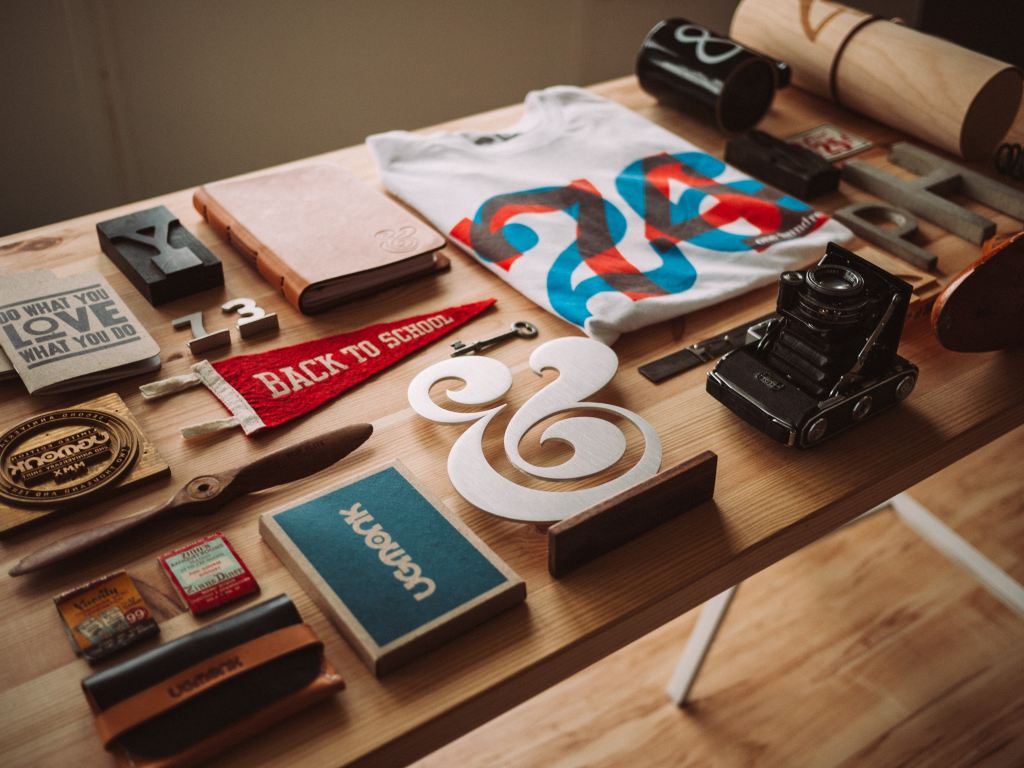
Branding, as it is widely known, is something that is commonly misunderstood. The understanding of the general populace seem to equate the word “branding” to simply refer to a company or product’s visuals or imagery.
In my marketing career, there have been times that I’ve been surprised by a colleague or subordinate’s understanding of what a brand really is. As a passionate brand marketer, I’ve taken it up to educate people I’ve worked with about branding.
A brand is a complex thing. On the surface, yes, it can be easily understood as a logo or a set of colors and visuals of a particular product or service.
Before we proceed, let’s start with the basics. Let’s define what a brand is.
The term “brand” actually came from the act of branding, the literal act of burning a symbol on cattle. The tool used? A searing hot cattle brand. This was done to depict ownership over those livestock.
Modern day branding defines a brand as an identity of a particular commodity (whether product or service) and its perception in a market. (I know, there are LOADS of definitions for branding, but, let’s go with that one for this article.)
Notice that this definition talks about a brand as if it is intangible – because, it is. A brand exists primarily in the minds of the customers, consumers, and the public. In business and marketing jargon, we call this “brand equity”.
Today, in the age of social media, online shopping, and online culture, people are more conscious of a company’s brand equity. This is why it is important for any and every marketer to put building brand equity at the top of their marketing priorities.
Every interaction that a person has with a brand matters. Whether they see an advertisement online or in person, experience your product, simply hear about it from a friend – it affects your brand equity.
So, what makes up a brand? In my experience these are the essentials:
- Brand Promise
The expectations of your product or service and the experience of using them makes up your brand’s promise. Want a good example? Think of your favorite brand and what promises it tells you.
Take Adidas for example. The brand promises forward thinking and functional fashion for athletes, sports performance, and hip footwear/athleisure.
- Persona
I was introduced to the 12 Brand archetypes early in my marketing career. To this day, I still stand by it as it is a very useful tool in discovering who a brand should be. It is easier for a consumer to relate with a brand if they can treat it like another person. Think of a few brands, what do they seem like to you if given personification?
You can search for the 12 Brand Archetypes to know more about them – OR you can read an article about here in the blog! (I promise I’ll publish it, soon! Once done, you’ll be able to click that link here.)
- Visuals
Ok, you have the promise and the persona all figured out? Good. The next component is the visual identity of the brand. This not only includes the colors, logos, and symbols. But, the visuals extend all the way to the packaging, websites, social media assets, and even how the brand ambassadors look.
A strong brand should always aim to have immediate brand recall when one of their target market sees their logo or symbols.
- Perception
It is foolish to think that brands are wholly built by the business behind it. In the end, it’s how the consumers perceive your brand that will define it. Your brand’s promise, persona, and elements should all be aligned to have the market perceive your brand the way it should be.
Before a brand can be built, proper research about the market, competitive set, and audience is important. A great brand strategy will only strengthen your brand’s equity.
Branding is my favorite aspect of marketing, and I believe it is the most powerful. Brands impact culture on a larger scale than most people think of. Successful branding will raise your product to be more than the sum of its parts.
If you’re interested to know more about the exciting world of branding and marketing, stay tuned for more articles here at the Work-Life Warrior blog.

 WORK-LIFE WARRIOR